
Houston driveway services
Asphalt driveway replacement in Houston
Asphalt driveway replacement removes the existing pavement so the driveway can be rebuilt to an agreed scope. It is worth considering when repairs would retain too much failed material or an overlay cannot resolve the finished levels. We assess the support and transitions before treating replacement as simply new asphalt.
At Surefoot Houston Driveway Repair, we offer and manage this work for homes and commercial property access. We explain the proposed treatment, identify what it cannot fix and put the agreed limits in a written scope.
Get an Estimate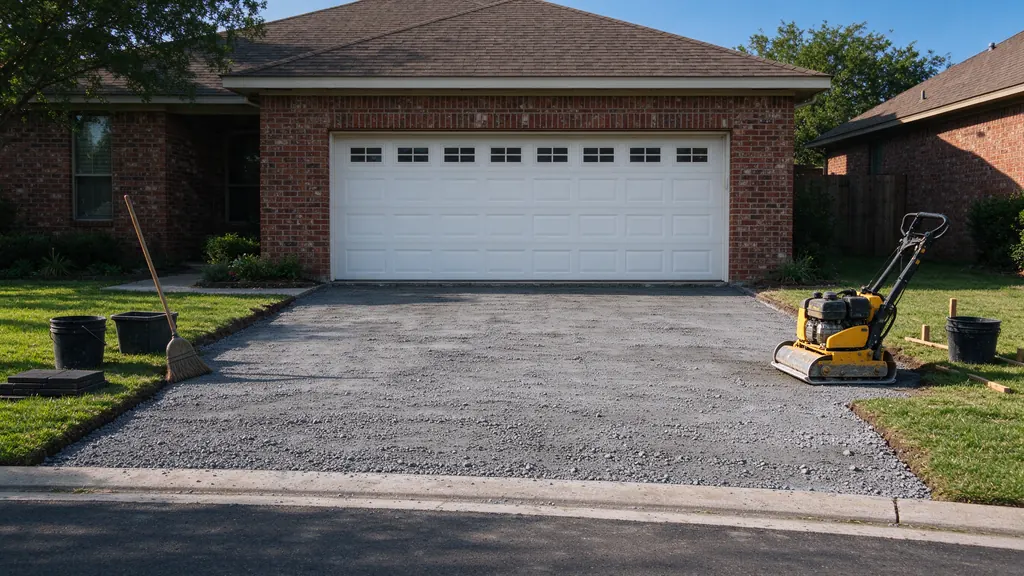
Decide what needs to be removed
Replacement begins with defining the retained and removed portions of the driveway. A complete removal scope differs from replacing one failed area, and the estimate should make that boundary clear. We consider the extent of cracking, settlement and previous repairs alongside the condition of adjoining surfaces. The goal is to remove what prevents a suitable rebuild without automatically expanding into unrelated property work.
An isolated defect may still be a candidate for asphalt patching. A serviceable pavement with suitable levels may be considered for resurfacing. We explain why those alternatives do or do not fit before recommending removal. Our repair, resurface or replace guide helps organize that comparison.
Use removal to assess the supporting layers
Once pavement is removed, the condition of the base can be assessed more directly. Some material may be suitable to retain, while soft, contaminated or otherwise inadequate areas may need further work. A replacement proposal should not imply that every hidden condition is known before excavation. It should explain the assumptions and the procedure for reviewing newly exposed problems.
Rebuilding over unsuitable support leaves an important failure mechanism in place. We discuss preparation, compaction and the intended use of the driveway rather than judging quality only by the visible asphalt. Our base-failure guide explains how support influences the pavement above. If a particular section repeatedly settles, its history should be part of the assessment.
Set the finished shape around the property
Replacement creates an opportunity to review the driveway’s levels, but the surrounding property still provides constraints. Garage thresholds, doors, gates and adjoining sidewalks set fixed reference points. We look at how the rebuilt surface will connect to them and where water will travel. A smooth driveway is not enough if its shape directs runoff to an unsuitable location.
Changes to the driveway may depend on work beyond the paving boundary. We identify those dependencies and avoid promising that pavement replacement alone will solve a wider drainage issue. The pooling-water guide explains the distinction. At the street, apron work can require a separate detail and authority check.
Match the pavement to how the entrance is used
Passenger vehicles, delivery access and commercial turning movements can place different demands on the driveway. Tell us what vehicles use the property and where they stop or turn. That information affects the construction scope. We do not substitute a universal thickness or a general promise of heavy-duty performance for a site-specific design decision.
Equipment access also matters during construction. Narrow passages, low clearances and limited staging space can affect how removal and compaction are performed. We explain these constraints during planning so they are reflected in the proposal. For business access, our commercial driveway service and access planning guide help identify operational requirements without folding the parking field into the driveway project; lots are scoped separately under parking lot repair.
Make the repair decision with the whole driveway in view
Tell us about the surface, the change you noticed and where access needs to remain available.
Request a driveway assessmentConfirm the street boundary and approvals
The driveway may cross a public sidewalk, curb or drainage feature before it reaches the road. Those portions should not be assumed to follow the same rules as the private paving behind them. We identify the proposed work and confirm the relevant jurisdiction using the actual property and roadway information.
A replacement within an existing footprint can still need approval, while widening or changing an entrance may raise additional questions. We do not infer a permit exemption from the word repair or from the mailing address. Our Houston-area permit guide explains the address-based approach. Any required inspections should be incorporated into the construction sequence rather than discovered after the work is covered.
Make the replacement proposal complete
The scope should identify demolition, disposal, base preparation, pavement construction and edge treatment. It should describe the connections to retained surfaces and any restoration included alongside the driveway. Ask how changes discovered after removal are priced and approved. A clear procedure is more useful than an unsupported assurance that nothing unexpected can occur.
Compare the same project boundaries when reviewing estimates. One proposal may retain the apron or exclude restoration while another includes it. The quote comparison guide helps you record those differences. Our cost guide explains why area alone cannot establish a replacement price when excavation and access vary.
Prepare for the interruption and the new surface
Before removal begins, agree where vehicles will be kept and how people can safely reach the building. Discuss deliveries, waste collection and any access that cannot be interrupted without coordination. We explain the planned sequence and the points at which weather or concealed conditions could change it. A driveway cannot be assumed available simply because one part looks finished.
Return-to-use instructions should address the installed material and actual conditions, including turning and concentrated loads. Follow those instructions rather than testing the surface yourself. Our driving-after-repair guide covers the questions to ask. If replacement has prompted a material comparison, use the asphalt versus concrete tool to compare scope and maintenance without invented lifespan promises.
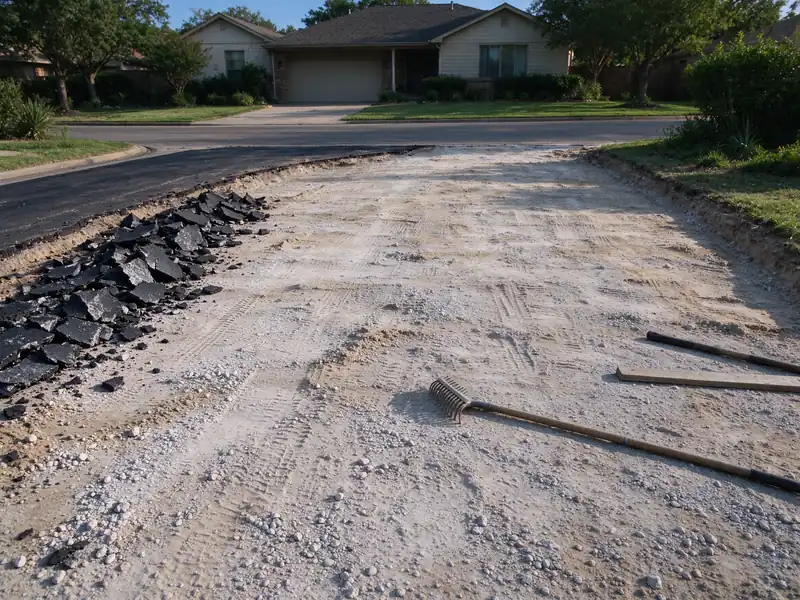
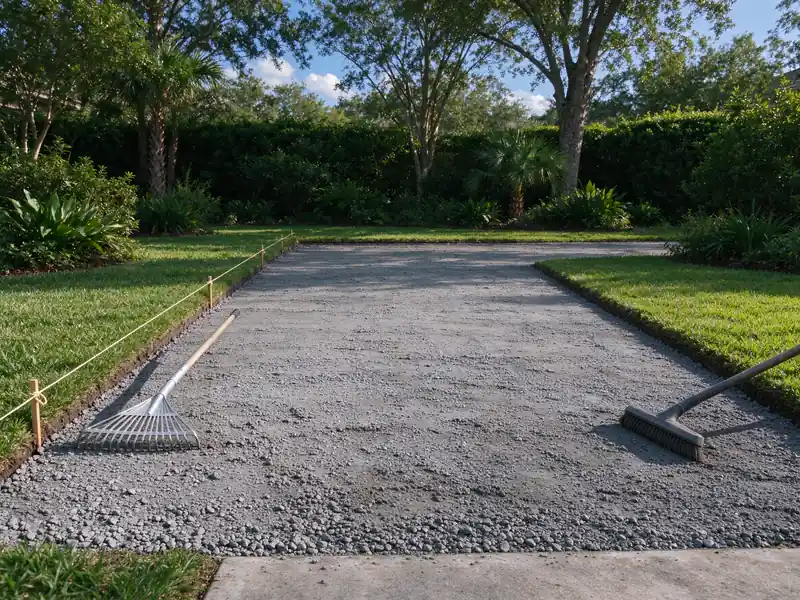
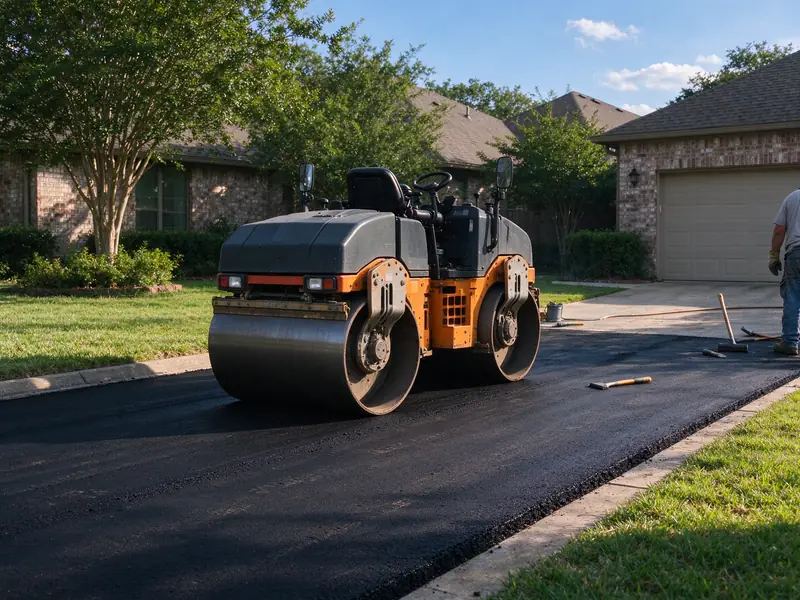
What this work looks like
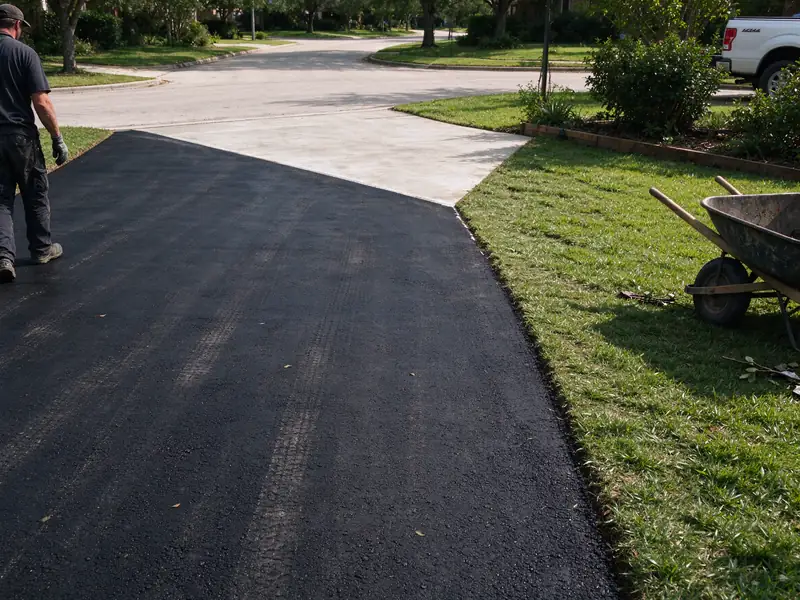
Questions about asphalt driveway replacement
Does asphalt replacement always mean removing every layer below it?
No. The supporting material must be assessed, and suitable material may be retained where the construction detail allows. The proposal should explain what is assumed before removal and how unsuitable areas are handled if discovered. Removing pavement alone does not establish that the remaining support is adequate.
Can replacement keep the existing driveway width?
Yes, a replacement can be planned around the existing footprint, subject to the actual site and applicable requirements. Keeping the width does not automatically settle every permit question. If you want a wider entrance, discuss that separately because its boundaries, drainage and street connection may change the scope.
What happens if removal reveals a soft area near the street?
The area needs assessment before it is covered. The cause, extent and suitable preparation affect the next step. We use the concealed-condition procedure in the agreed scope to explain the finding and proposed change, rather than assuming the original paving allowance includes unlimited excavation.
Can the driveway be rebuilt around an existing concrete walkway?
Potentially, but the finished height and joint between materials need planning. We assess whether the walkway can remain and how the new pavement will meet it. A retained walkway may constrain the grading, and its condition should be documented before adjacent removal begins.
Will replacing asphalt prevent future maintenance?
No pavement is maintenance-free. Replacement addresses the agreed construction scope, while future care depends on use, condition and the installed system. We provide the actual care instructions and warranty terms included in the agreement without promising an unsupported lifespan or immunity from cracking.
Related driveway decisions
Let’s define the work your driveway needs
Send the property location and a description of the problem. Photographs from a safe position help us plan the assessment.
Get an Estimate